by Madeline Bocaro
https://linktr.ee/madelinerocks
https://linktr.ee/conceptualbooks
In New York City, just blocks away from the Bank Street apartment that John and Yoko resided in during the exciting time depicted in this film, we watched a sneak preview of the story of John and Yoko’s time here in 1972. The movie’s focus is on their only complete live concert together, and the activities surrounding it. We were also treated to a Q&A with co-director Sam Rice-Edwards.
A meticulously faithful re-creation of the Lennons’ small apartment (which they opted for when leaving their mansion on 72-acres in England) is the anchor of the film, complete with a pillowcase with characters from the comic strip, Peanuts.

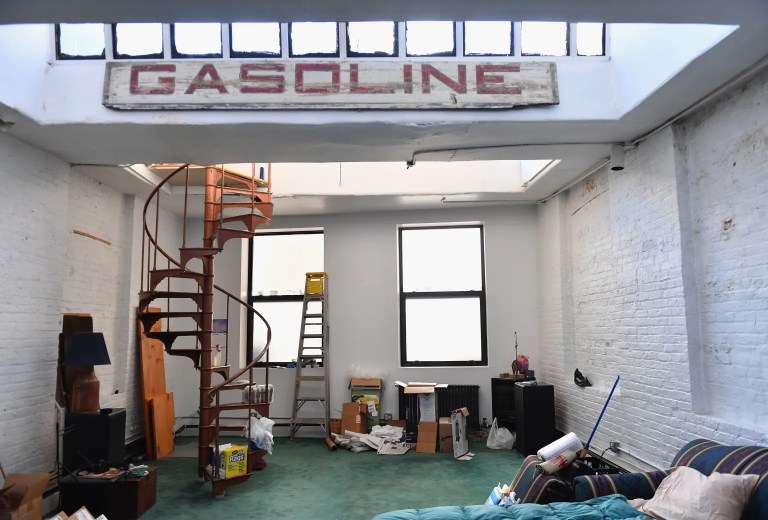
The first thing we notice is the similarity of the social unrest occurring today, over 50 years later. Much of the film is shot in the frantic style of Jonas Mekas (most likely using some of his footage) indicating the frenzy of the heated political landscape. Some of the captions replicated those of Mekas – who typed the words on paper, stuck them to a wall and filmed them.
Having attended this concert at age fourteen, my memories were enlightened by the political context surrounding it, which I had not understood fully at that age. All I knew was that it was a fantastic show which was unfairly panned in the press at the time.
John and Yoko wanted to help the abused special needs children residing at the hellish Willowbrook asylum. They organized a concert (with journalist Geraldo Rivera who exposed the scandal). They gave away over $50,000 worth of tickets to fans and raised $1.5 million for the children of Willowbrook. The Lennons also arranged a special day out, busing hundreds of children to Central Park – providing each with a volunteer buddy. It’s heart wrenching to now see the smiles on their faces during this magical day out! Yoko gave each child her Box of Smile. (I still have mine from that day!)

There are lots of clips from the concert (with Elephant’s Memory band). The audio is incredible. It has been completely restored and remixed by Sean Ono Lennon. We are treated to the complete performance of John singing ‘Mother’ and many segments of other songs by John and by Yoko. (We are promised a complete release of the entire concert in the near future!)
The “hippies and the yippies” with whom the Lennons associated at the time were leading them down a dark path, and into trouble with the law. We see Jerry Rubin prolifically promoting his communist manifesto, with expectations that John and Yoko would join him on a politically motivated tour of the USA. They planned a Free the People tour to raise bail money for prisoners who could not afford their own release. We see John’s innocent romanticism coming through his naivete on the phone with Allen Klein, convincing his manager that this is a good idea.
The Ann Arbor performance and the freeing of John Sinclair is featured, along with the prison riots at Attica, the shooting of George Wallace, the re-election of Nixon, the Vietnam war and many more situations of political unrest.
In a strange and beautiful twist of fate, on December 2019 (the late) John Sinclair, at 78 years old made what was likely the first-ever legal recreational marijuana purchase in Ann Arbor, Michigan – fifty years after his historic arrest for possession.
The film is driven by unseen home movies, concert rehearsal snippets, vintage television commercials, static and newsreels – with dizzying quick flicks of the dial. An assault of information overload (representing the voracious way that John would watch American television.) He was enthralled with having more than the two or three BBC channels, with so much more current information available. This inspired the recording of the album Some Time in New York City – immediate songs in the form of a newspaper, quickly printed to reflect the current world situations.
The most revealing aspects of the film are previously unheard recorded telephone conversations. Knowing that the FBI was surveilling them and tapping their phones, the Lennons recorded all of their calls so that nothing could be taken out of context. Their conversations are illustrated onscreen using a font – Franklin Gothic – used on their War Is Over! (If You Want It) posters in 1969.
Much needed moments of levity are provided over the phone, with Yoko rushing Iain Macmillan to complete shooting her catalogue (for an imaginary exhibition at the Museum of Modern Art). Even more amusing is a talk between assistants Dan Richter and May Pang about where to procure files for the filming of Yoko’s movie Fly.
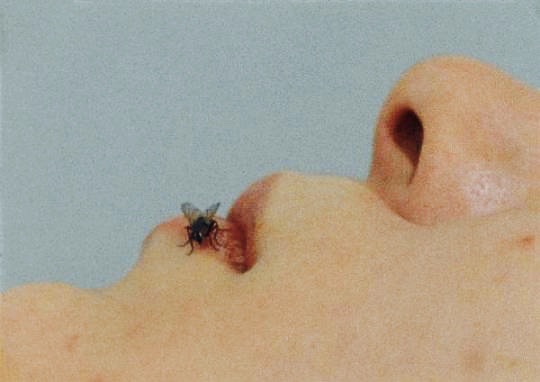
Yoko is allowed several poignant moments. She explains the immense degree of hatred and vitriol that she received as the wife of John Lennon; death threats, hair pulling, voodoo dolls stuck with pins… and eventually developing a stutter although she had always felt like a strong woman. Unseen footage of the Lennons attending the First International Women’s Conference is included. The audience was at first not welcoming of John amongst them, as he was not female.

The kidnapping of Ono’s young daughter by her ex-husband (and the Lennons’ long search for her) is explored. Yoko’s song of anguish, ‘Don’t Worry Kyoko’ is included, as well as a complete live (audio) performance of her haunting ballad ‘Looking Over from my Hotel Window’ (1973).
When Sean saw the film, he said it was the most honest portrayal of his mother ever made. The director said, “That meant a lot to us. We did not feel the need to defend her. We just let the archive speak. She is strong, creative, compassionate, and central to everything.”
We know that John was doubly devastated and shocked when he read the scathing reviews of the Some Time in New York City album. and of the concerts – all of which he was very proud. John had meant for these concerts to be the rehearsal for a world tour with Plastic Ono Elephant’s Memory band. Promoters were lined up and equipment had been purchased.
However, the problem of John’s green card re-surfaced. He was denied once again, and threatened with deportation by the Nixon administration. This began a very depressing time for John and Yoko, which would last for several years and would eventually tear them apart.
John’s unprecedented case was finally won in 1975, by immigration lawyer Leon Wildes after a long fight. It has since become the basis of DACA and DAPA (Deferred Action for Childhood/Parental Arrivals), the executive orders which President Barack Obama issued in 2012 to protect immigrants threatened with deportation.
* * *
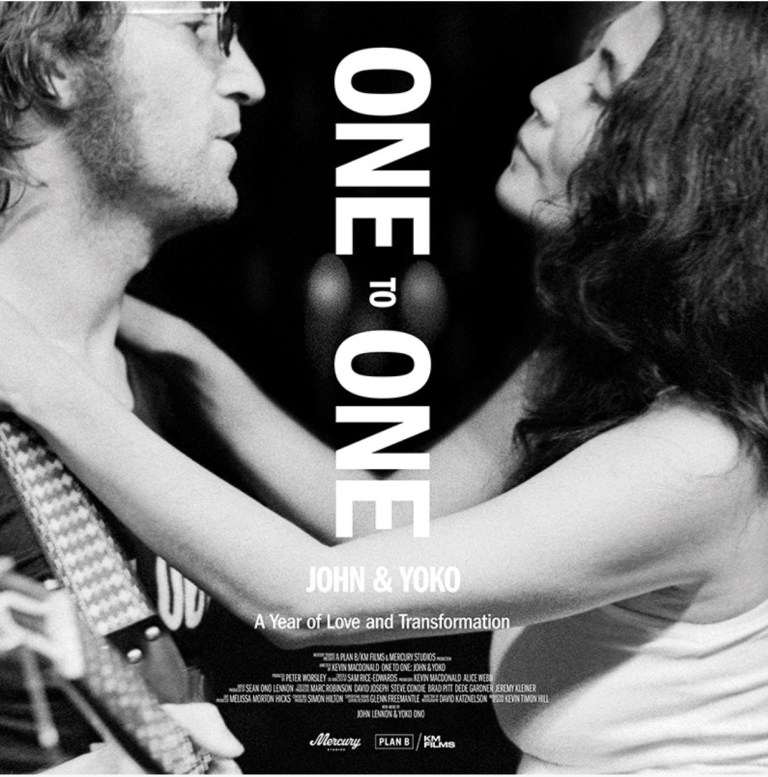
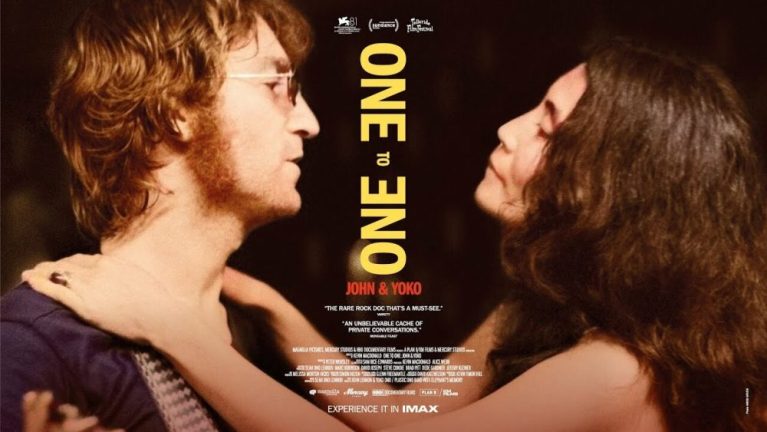
From Academy Award-winning filmmaker Kevin Macdonald, ONE TO ONE: JOHN & YOKO is a revelatory inside-look at John Lennon & Yoko Ono’s life in Greenwich Village in the early 1970s, featuring music from John & Yoko’s only full-length concerts, newly remixed and produced by Sean Ono Lennon.
The film opens exclusively in IMAX on 9 April (UK) & 11 April (USA) and on wider release from 11 April (UK) & 18 April (USA) & May (Europe)
Trailer: https://www.youtube.com/watch?v=Oiw_WJeiv4Q
John & Yoko Live in NYC – One To One – August 30, 1972
I WAS THERE! MY CONCERT REVIEW:
An excerpt from:
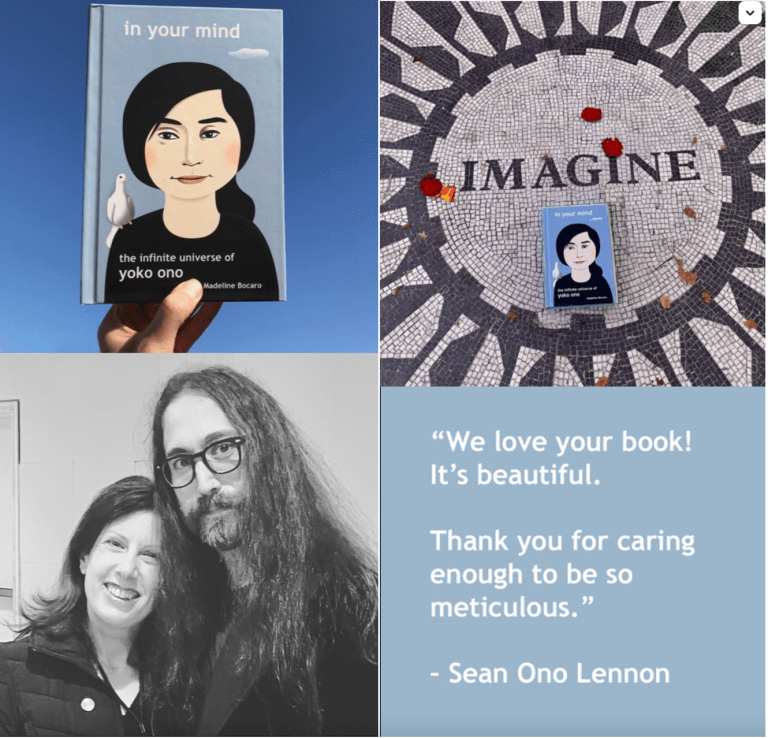
In Your Mind – The Infinite Universe of Yoko Ono
inyourmindbook.com
https://madelinex.com/2017/08/30/john-yoko-live/
* * *
Check out my Yoko Ono biography…
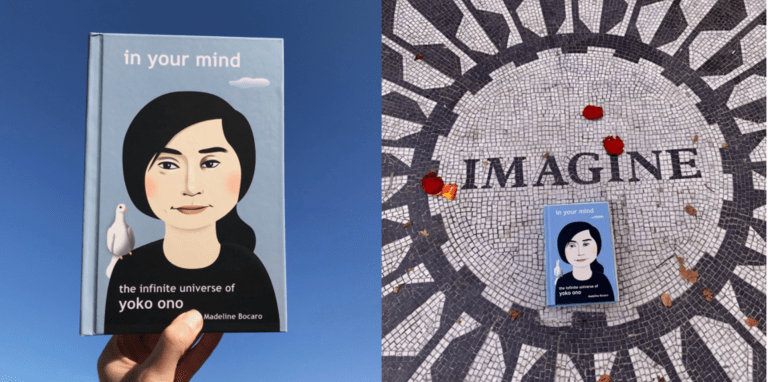
In Your Mind – The Infinite Universe of Yoko Ono
The true story of the woman John Lennon loved.
Acclaimed by Ono’s colleagues and friends
Now in the Rock & Roll Hall of Fame Library & Archives
On several Best Books lists
Praised by MOJO & Goldmine
Recommended by Olivia Harrison
Honorable Mention in The Beatles Gift Guide
SIGNED HARD COVER books exclusively at…
Conceptual Books
Social Media:
https://linktr.ee/conceptualbooks
Contact: conceptualbooks@icloud.com